

Quick Summary
The hottest temperature ever recorded in New Orleans is 105 degrees, set at Louis Armstrong New Orleans International Airport on 27 August 2023. That broke the previous record of 102 degrees, which had been reached twice earlier in the same month. Official records at that station go back to May 1946. Big Easy AC Heating points homeowners to that record for a practical reason, because the same month also produced 15 days at or above 100 degrees, and equipment sized for an average summer is not sized for the summers New Orleans now gets.
Last Updated: September 2026
What this guide covers
- What Is the Official Record, and Where Is It Measured?
- Why Does a Record High Matter for Heating Installation?
- How Cold Does It Actually Get in New Orleans?
- What Should You Ask Before Installing a Heating System Here?
- Is New Orleans Getting Hotter Than the Equipment Was Built For?
- Frequently Asked Questions
New Orleans reached 105 degrees on 27 August 2023, the highest temperature in the official record for the city. The National Weather Service measures the city at Louis Armstrong New Orleans International Airport, where the period of record begins on 1 May 1946, so that 105 stands against nearly eight decades of observations. The previous mark was 102 degrees, and August 2023 reached it twice before breaking it outright.
The single number is the headline, and the month around it is the part that matters when you are buying equipment. Big Easy AC Heating sizes systems for the conditions a home will actually face, and in August 2023 the airport recorded 15 days at or above 100 degrees, against a previous August record of two such days set in 2011. The Weather Service also noted that the station tied or broke a daily record high on 20 of the month’s 31 days.
What Is the Official Record, and Where Is It Measured?
The record is 105 degrees, set 27 August 2023 at Louis Armstrong New Orleans International Airport. That station is the official climate site for the city, and the National Weather Service has kept its record there since May 1946. Readings from elsewhere in the metro area are real but do not set the city record.
The recent record sequence is unusually tight, which is why the figures are easy to confuse:
| Date | Temperature | What happened |
|---|---|---|
| 27 August 2023 | 105 degrees | All-time record high, current |
| 26 August 2023 | 102 degrees | Reached the previous record |
| 23 August 2023 | 102 degrees | Tied the previous record |
Two temperatures circulate as the answer because both are correct about different things. The 102 was the record that stood for decades, and it was matched twice in August 2023 before the 105 replaced it four days later.
Why Does a Record High Matter for Heating Installation?
Because most New Orleans homes heat and cool through one system. A heat pump moves heat in both directions, so the equipment you install for winter is usually the same equipment carrying the August load. A record summer therefore sets the design requirement for a purchase people think of as a heating decision.
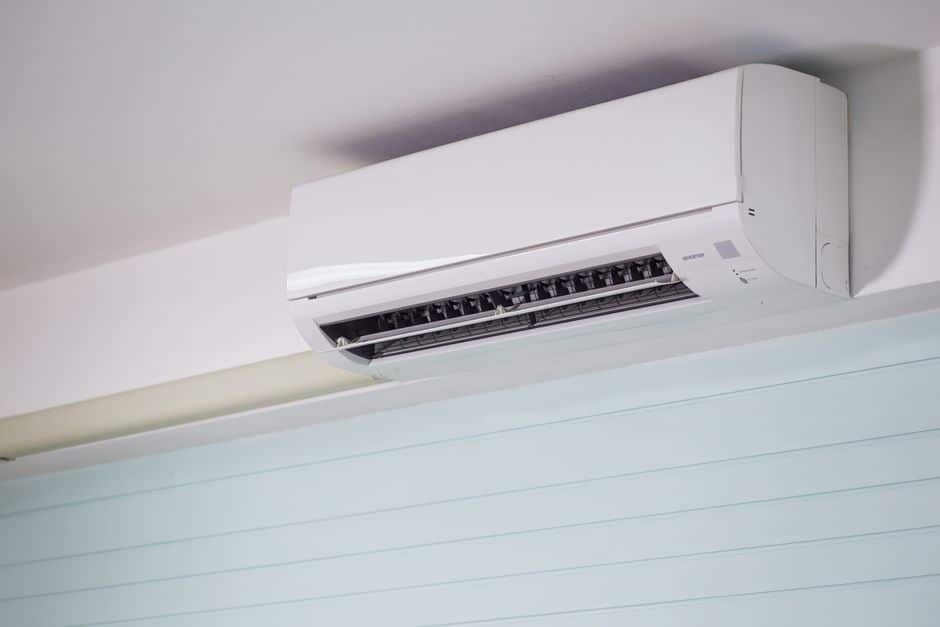
That shared duty changes what a correct installation looks like here. A system chosen only against a mild winter will be undersized for a 105 degree afternoon, and a system oversized to brute force the summer will short cycle through the heating season, which wastes energy and wears the compressor. Our heating installation work starts from a load calculation rather than a rule of thumb for exactly this reason, and a heat pump system has to be judged on both its cooling and its heating performance before anyone signs for it.
Sizing is also the part of the job that cannot be corrected afterwards without replacing equipment. A system that is wrong by a stage or a half ton is wrong for its whole service life, and no amount of thermostat adjustment recovers it. That is why the load calculation belongs at the quoting stage rather than being treated as paperwork produced after the decision has already been made.
How Cold Does It Actually Get in New Orleans?
Cold enough to matter, and that surprises people who only know the city’s summer reputation. Winter lows regularly fall into the thirties, freezing nights occur most winters, and an occasional hard freeze still catches undersized systems off guard. Equipment here has to span a genuinely wide range.
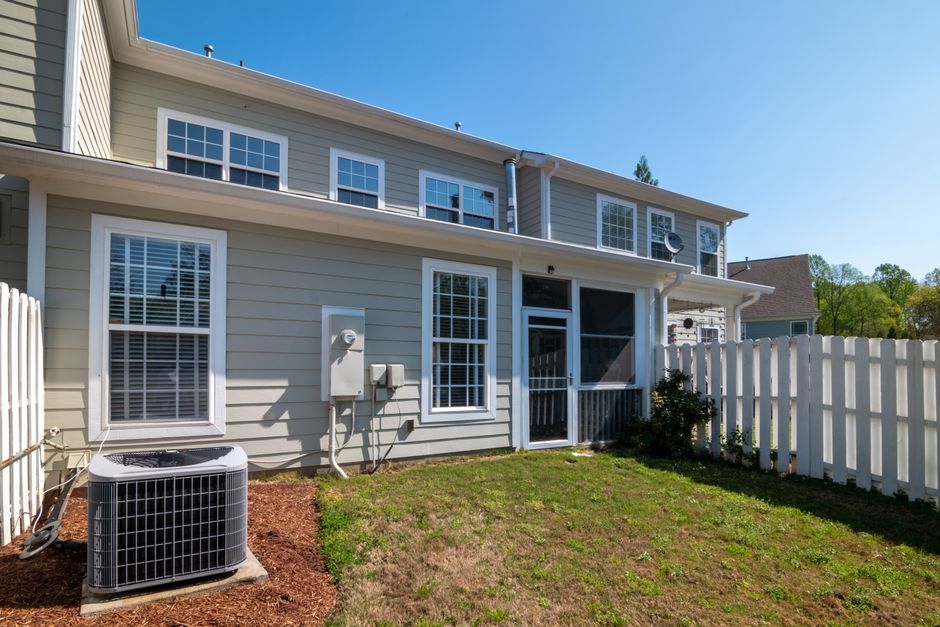
The practical span is the point. A home may need to handle a 105 degree August afternoon and a freezing January night in the same twelve months, using the same air handler and the same duct runs. Northern installations are designed around one dominant season. New Orleans installations are not, which is why sizing shortcuts that work elsewhere fail here.
A heat pump also loses capacity as the outdoor temperature falls, so the number that matters in winter is not the nameplate rating but the measured output at the coldest design temperature for this area. That figure belongs in the quote you are given, not in a conversation after the system is already installed and underperforming on the coldest night of the year.
What Should You Ask Before Installing a Heating System Here?
Ask how the contractor calculated the size, what the system does in both seasons, and how the ductwork was assessed. Those three answers separate a considered installation from a like for like equipment swap. A quote that names only a tonnage and a price has skipped the work that determines whether the system performs.

- Was a load calculation performed on this specific house, rather than a size copied from the old unit?
- How does the proposed system perform in cooling as well as heating, given the summer loads above?
- Were the existing ducts inspected, measured and tested, or assumed to be adequate?
- What efficiency rating does the equipment carry, and does it meet the current regional minimum?
- Who pulls the mechanical permit and schedules the inspection?
The last question matters more than people expect. If you are weighing whether to install new or keep repairing what you have, our piece on the $5,000 rule and what it misses locally covers the decision, and the timing signals are set out in our guide to when replacement becomes the right move. For what a new installation involves end to end, see our overview of what homeowners need to know before installation.
Is New Orleans Getting Hotter Than the Equipment Was Built For?
The record book suggests the design assumptions have moved. A previous August record of two days at or above 100 degrees was replaced by a month with 15, and the all time high moved three degrees after standing for decades. Equipment specified against older summers faces a different climate.
None of that means a panic replacement. It means the sizing conversation should use current conditions rather than a twenty year old assumption, and that the efficiency and capacity questions above are worth asking properly. Keeping the system serviced is what protects the capacity you paid for, which our year-round maintenance schedule sets out month by month.
Frequently Asked Questions
When was the 105 degree record set in New Orleans?
On 27 August 2023, at Louis Armstrong New Orleans International Airport. It broke a previous record of 102 degrees that had been reached twice earlier that same month.
How far back do New Orleans temperature records go?
The official period of record at the airport station begins on 1 May 1946. Earlier observations exist from a different location in the city and are not part of that station’s record.
How many 100 degree days did New Orleans have in August 2023?
Fifteen days at or above 100 degrees, against a previous August record of two days set in 2011. The station also tied or broke a daily record high on 20 of the month’s 31 days.
Does a hot summer affect what heating system I should install?
Yes, because most homes here heat and cool through the same equipment. A heat pump sized only against winter conditions will struggle with the summer load that the same system has to carry.
Can a heat pump handle both New Orleans summers and winters?
A correctly sized modern heat pump is designed to do exactly that, which is why sizing and duct condition matter more than brand choice. The assessment has to cover both seasons rather than the one the purchase was prompted by.
Who installs heating systems in the New Orleans area?
Big Easy AC Heating installs and services heating equipment across New Orleans, Metairie, Kenner, Slidell and the surrounding parishes, and handles the load calculation, permitting and inspection as part of the job.
If your system struggled through the last hot stretch or the last cold snap, the sizing is worth checking before you buy anything. Call Big Easy AC Heating at 504-608-4636 or book an assessment online, and a technician will calculate the load for your house, check the ductwork, and tell you plainly whether the equipment you have is the equipment you need.