

Quick Summary
The best time of year for duct cleaning in New Orleans is autumn or early spring, in the gap between heavy cooling demand and the heating season, when the system can be taken offline for several hours without leaving anyone uncomfortable. Timing is the easy half of the question. The harder half is whether the ducts need cleaning at all, because the Environmental Protection Agency does not recommend routine duct cleaning and advises having it done on an as-needed basis instead. Big Easy AC Heating inspects first and cleans where there is a reason to, across New Orleans, Metairie, Kenner and the surrounding parishes.
Last Updated: September 2026
What this guide covers
Autumn and early spring are the practical windows. The work takes hours, the system comes offline while it happens, and doing that in late August is uncomfortable in a way that doing it in October is not. Those shoulder seasons also sit just before each period of heavy use, so anything the inspection finds gets dealt with before the system leans on it.
The more useful answer is about the decision, not the calendar. Big Easy AC Heating takes the position the EPA takes, which is that duct cleaning is worth doing when there is an identified reason and is not worth doing as a routine annual ritual. That is an unusual thing for a company offering the service to say, and it is the honest version.
What Does the EPA Actually Say About Duct Cleaning?
The Environmental Protection Agency does not recommend that air ducts be cleaned routinely, only as needed, citing continuing uncertainty about the benefits. It notes that duct cleaning has never been shown to prevent health problems, and that much of the dirt adheres to duct surfaces and does not necessarily enter the living space.
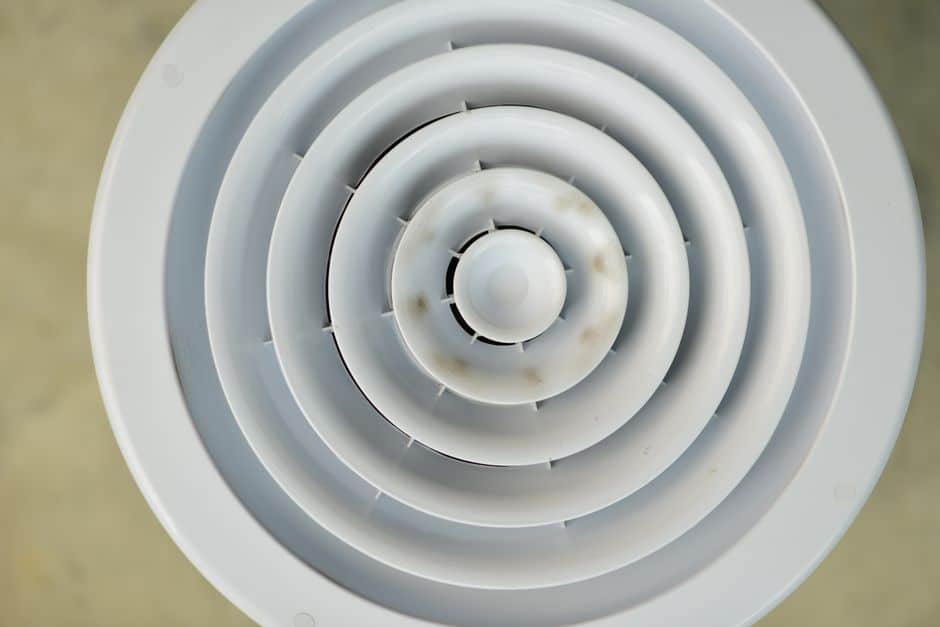
The agency does recommend cleaning in specific situations, and it is worth knowing which ones, because these are the cases where the work genuinely changes something:
- Substantial visible mould growth inside hard surface ducts or on other components of the heating and cooling system.
- Evidence that ducts are infested with vermin, whether insects or rodents.
- Ducts clogged with excessive amounts of dust and debris, or particles actually being released into the home from the supply registers.
The EPA also cautions consumers against hiring duct cleaners who recommend duct cleaning as a routine part of heating and cooling maintenance. That is a useful filter when you are choosing who to call, and it is the reason we inspect before quoting rather than selling a scheduled service.
Does New Orleans Humidity Change the Answer?
It makes the mould trigger far more likely here than in a dry climate, which is the one honest local adjustment to the EPA’s general position. Persistent humidity, ducts running through unconditioned attics, and condensation on cold duct surfaces together create the conditions the agency names as a genuine reason to clean.
The industry body for duct cleaning, NADCA, suggests an inspection every couple of years and cleaning roughly every three to five years for typical homes. Our own view, rather than theirs, is that conditions here justify keeping closer to the inspection end of that baseline. Read all of it alongside the EPA position rather than instead of it: inspect on a schedule, clean on a finding. That combination is defensible, and it is what stops a homeowner paying for the same job repeatedly with nothing to show for it. If the trigger is a musty smell rather than visible growth, our piece on what causes that smell in this climate covers the likelier causes first.
Why Are Autumn and Spring the Right Windows?
Because the system is not carrying a heavy load in either period, so taking it offline for a morning costs nothing in comfort. Both windows also sit immediately before a demanding season, which means anything found during the inspection is corrected before the equipment has to work hard rather than after.
The seasons compare like this for scheduling purposes:
| Season | Suitability | Why |
|---|---|---|
| Autumn | Best | Cooling demand has eased, heating season ahead, contractors not yet at peak |
| Early spring | Good | Ahead of summer humidity, any finding fixed before the hardest months |
| Summer | Poor | System offline in peak heat, and repair schedules are fullest |
| Deep winter | Poor | Heating in use during cold snaps, same scheduling pressure |
One exception overrides the calendar entirely. If there is visible mould, an infestation, or debris actually blowing out of the registers, that is not a seasonal decision and should not wait for a convenient month.
What Should a Duct Cleaning Job Include?
Access to the full run, source removal with proper containment, and a look at why the ducts got that way. A job that cleans only what is reachable from the registers has cleaned the ends of the system and left the middle, which is where the problem usually sits.
- Inspection first, with the findings shown to you before any work is agreed.
- Containment and negative pressure, so dislodged material leaves the system rather than entering the house.
- Mechanical agitation along the full duct run, not just vacuuming at the register.
- Cleaning the connected components, including the coil, drain pan and blower, since cleaning ducts alone leaves the source.
- Identifying the cause, whether that is a duct leak pulling in attic air, failed insulation, or a humidity problem.
That last step is what separates a fix from a cycle. Ducts that fill with debris again in two years usually have a leak drawing in unconditioned attic air, which is a ductwork problem rather than a cleanliness problem, and our piece on what properly installed ducts actually deliver covers what good looks like. Where the underlying concern is air quality rather than the ducts themselves, our indoor air quality options are usually the more direct route, and our duct cleaning service page sets out what the work involves.
Frequently Asked Questions
How often should ducts be cleaned in New Orleans?
Inspect every couple of years and clean when the inspection finds a reason. The EPA advises against routine cleaning on a fixed schedule, though humidity here makes the mould trigger more common than in drier regions.
Will duct cleaning lower my energy bill?
Usually not by much on its own. Sealing duct leaks and restoring insulation typically deliver more measurable savings, which is why an inspection that looks for leaks is worth more than a clean alone.
Does duct cleaning help with allergies?
The EPA notes that duct cleaning has never been shown to prevent health problems, so it should not be sold as an allergy treatment. Where there is genuine visible mould growth, removing it is worthwhile for its own reasons.
How long does the job take?
Several hours for a typical home, with the system offline for much of it. That is the practical reason for choosing a mild month rather than the middle of summer.
What if I can see mould in my vents right now?
Do not wait for a convenient season. Visible mould growth on hard surface ducts or system components is one of the specific situations the EPA names as a reason to have the work done.
Who inspects and cleans ducts in the New Orleans area?
Big Easy AC Heating inspects and cleans ductwork across New Orleans, Metairie, Kenner, Slidell and the surrounding parishes, and will tell you when the honest answer is that cleaning is not needed.
If you are weighing duct cleaning, start with an inspection rather than a booking. Call Big Easy AC Heating at 504-608-4636 or arrange an inspection online, and you will get shown what is actually in the ducts, told whether it warrants cleaning, and given the underlying cause if there is one.